Aquarium Fish Health & Nutrition: Choosing the Best Diets for Freshwater & Marine Species
Optimize your aquatic pets’ vitality and coloration. Discover how species-specific nutrition, carotenoids, and feeding schedules prevent disease and enhance vibrancy.
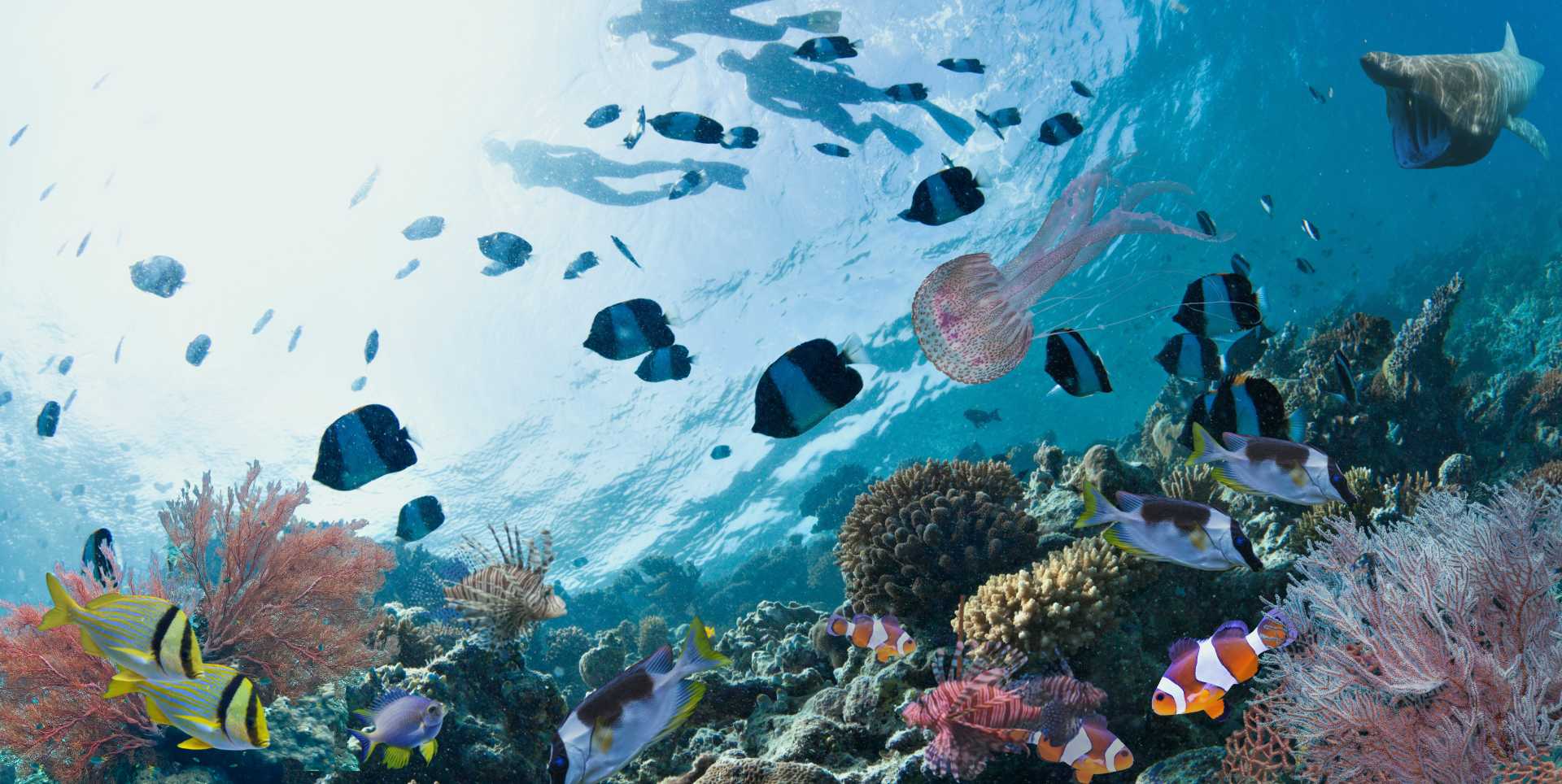
Vibrant coloration, energetic swimming behavior, and robust disease resistance in aquarium fish are directly tied to what goes into their diet. Feeding inferior generic flakes or unverified live foods often leads to organ lipidosis, water foulness, and parasite outbreaks. Understanding nutritional profiles ensures your prized aquatic specimens live long and healthy lives.
1. The Pitfalls of Generic Diets vs Species-Specific Formulations
Different fish species have evolved vastly disparate digestive physiology:
- Carnivorous Monster Fish (Arowanas, Cichlids): Require high animal protein (45%+) and essential marine fatty acids. Premium diets like Hikari Massivore Delite and Siso Arowana Sticks provide bio-engineered nutrition that promotes bone development without contaminating the water.
- Herbivorous & Omnivorous Fish (Discus, Koi, Goldfish): Need high vegetable roughage, spirulina algae, and easily digestible wheat-germ proteins to prevent swim bladder disorders and gut impaction.
2. Enhancing Coloration Naturally: Astaxanthin & Carotenoids
The breathtaking reds, oranges, and deep yellows seen in competitive Koi and Flowerhorns are not produced by the fish themselves; they are synthesized from dietary carotenoids like astaxanthin and spirulina. Premium specialized diets—such as Siso Topka Color Koi Food and Hikari Cichlid Bio-Gold+—contain stabilized carotenoid matrices that intensify color pigments within 14 to 21 days.
Feed only what your fish can completely consume within 2 to 3 minutes, twice daily. Unconsumed food rapidly breaks down into toxic dissolved ammonia (NH3) and promotes heavy organic sludge on the filter media.
3. Disease Prevention Through Stabilized Vitamin C & Beta-Glucans
A strong immune system is your fish’s primary defense against Ich (White Spot), fin rot, and bacterial ulcerations. Ensure your staple feeds feature stabilized Vitamin C and beta-glucan supplements to bolster cellular immunity.
Browse our complete catalog of imported, premium aquatic feeds in the Food & Nutrition Collection or consult our aquaculture experts today.